ARCHITECTURE
Gopurams and vimanams in South Indian Hindu temples
Gopuram
Text information from Wikipedia,
the free encyclopedia
Gopuram
or gopura, a prominent feature of the Hindu temple architecture of South
India, is the rising tower at the entrance of a temple. Gopurams are exquisitely
decorated with sculpture and carvings and painted with a variety of themes
derived from the Hindu mythology, particularly those associated with the
presiding deity of the temple.
The Gopuram of the Sri Ranganathaswamy
Temple in Srirangam, Tamilnadu state is the tallest Gopuram in South India.
This Gopuram known as the Rajagopuram (the royal temple tower) rises from
the base area of around 13 cents (32500 sq feet) and goes up to 196 feet,
moving up in eleven progressively smaller tiers.
The Gopuram of Sri Andal Temple in
Srivilliputtur is the second highest temple tower in Tamilnadu. It is 60
m (192 feet) high and has thirteen progressively smaller tiers.
Vimanam
in South Indian architecture is a term used for the towered roof of a Hindu
temple's sanctum sanctorum.
Types of vimanams include
ashtanga vimanam
gajaprishta vimanam - tower on top
of a shrine
sabha vimanam
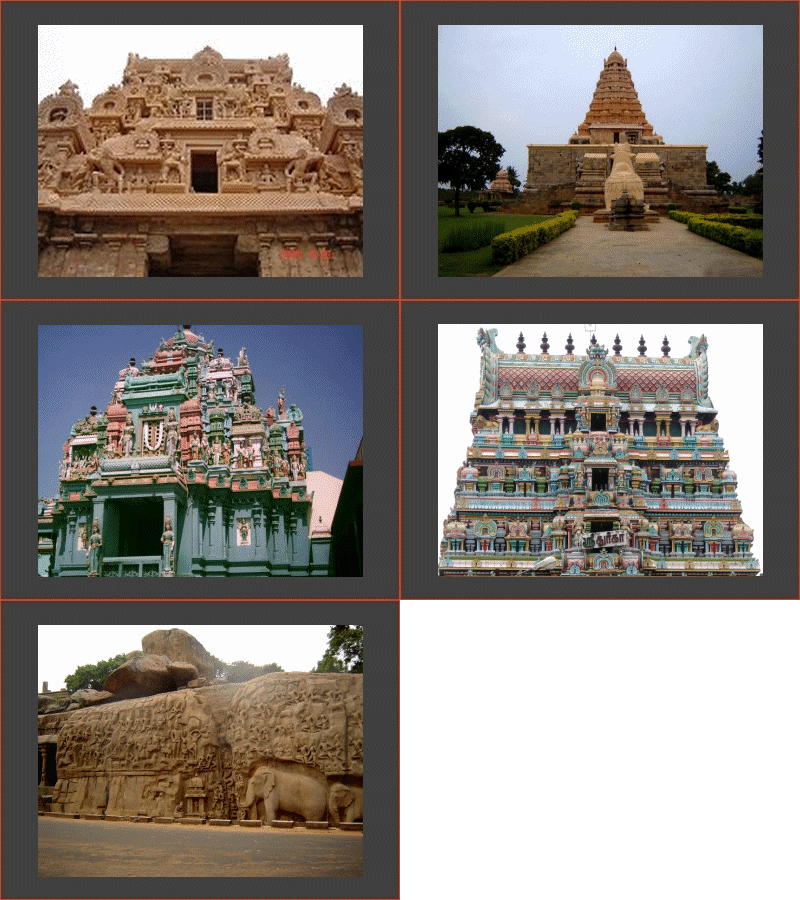
Photographs
of the temple Gopurams
/ Vimanams
Brihadeeswarar Koil - Thanjavur, Tamilnadu
(Details of the temple)
Brihadeeswarar
Koil - Gangaikonda Cholapuram, Tamilnadu
(Details of the temple)
Patteeswaram
Durgai temple, Tamilnadu
Ekambaranathar
temple, Kancheepuram, Tamilnadu
|